Design Diplomacy
12–14
17–19
Ilmoittautuminen on päättynyt.
Suosittu Design Diplomacy järjestetään tänä vuonna jo kymmenennen kerran. Tapahtuma avaa taas ovet suurlähettiläiden residensseihin – tiloihin, joihin vain harvoilla on mahdollisuus tutustua. Juhlavuoden ohjelmassa nähdään erityisen kiinnostavia vieraita ja keskusteluja.
Design Diplomacy perustuu avoimen vuoropuhelun ajatukseen. Eri maista saapuvat suunnittelijat kohtaavat toisensa tasavertaisina keskustelukumppaneina ja jakavat kokemuksiaan sekä näkemyksiään rennossa keskustelussa, jota ohjaa erityisesti tapahtumaa varten suunniteltu korttipeli.
Keskusteluilla ei ole moderaattoria, vaan korttien kysymykset johdattavat vuoropuhelua uusiin suuntiin. Tilaisuuden päätteeksi osallistujat voivat jatkaa ajatustenvaihtoa virvokkeiden äärellä suurlähettiläiden seurassa.
Keskustelut käydään englanniksi.
Huomioithan, että tapahtumassa valokuvataan. Kuvia käytetään Luovi Productionsin markkinointiviestinnässä.
Otathan tapahtumaan mukaasi kuvallisen henkilötodistuksen.
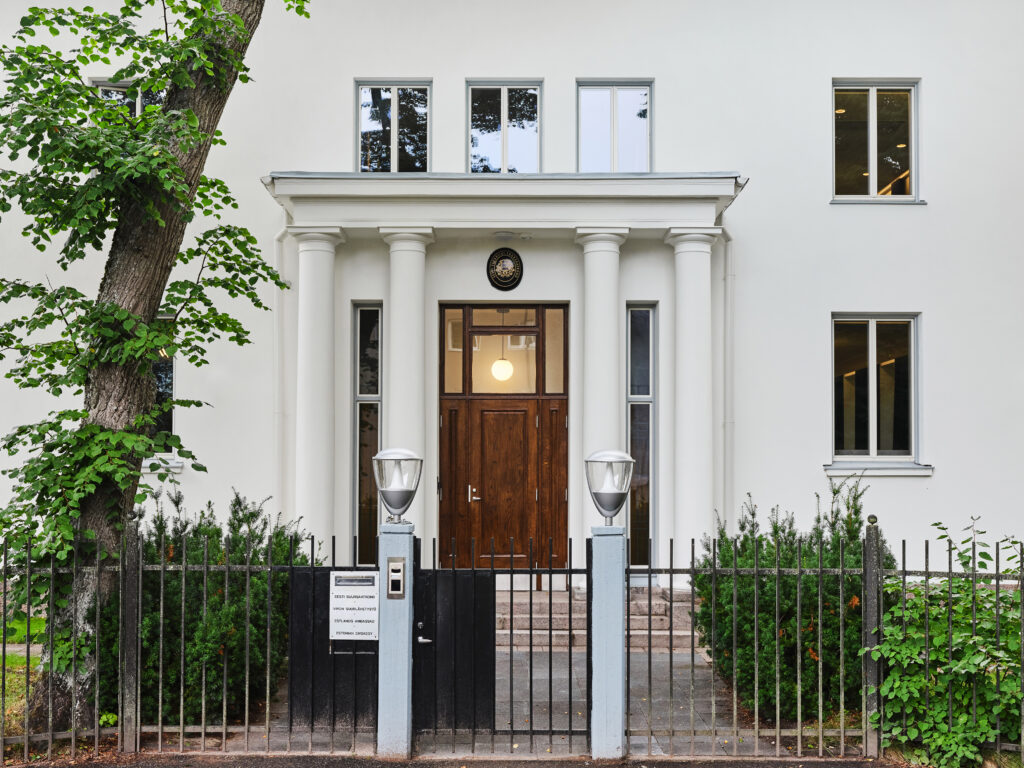
Registration has closed – Estonia, 2 September, 9–11 am
Itäinen Puistotie 10, 00140 Helsinki
Mia Tamme, Estonia
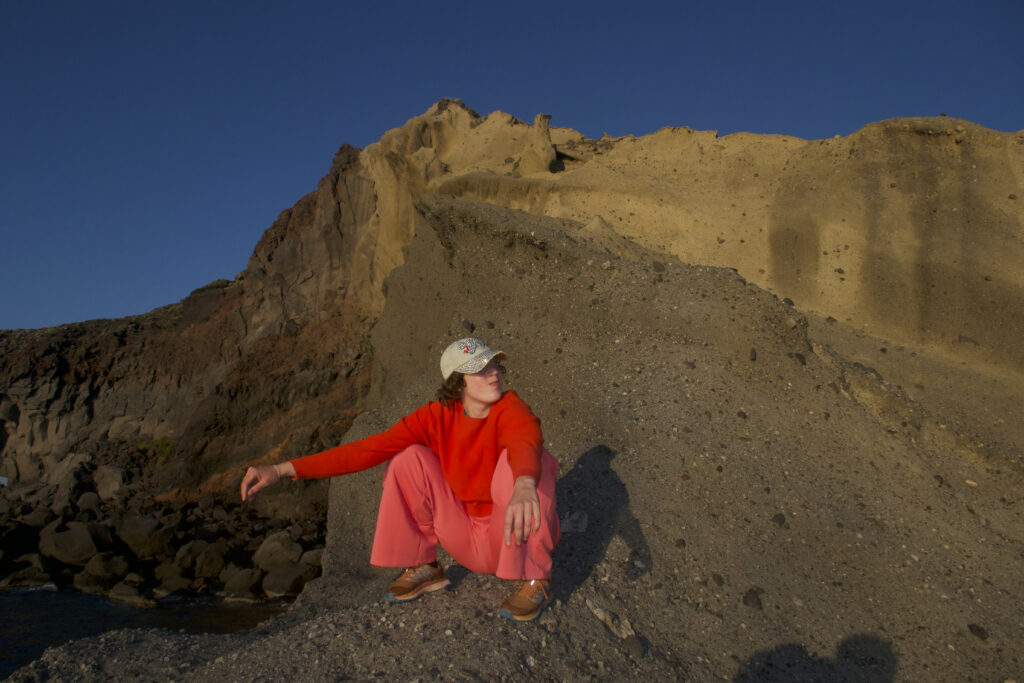
Mia Tamme is a Tallinn-born designer, artistic researcher, filmmaker, and community organizer whose work explores the connections between cultural heritage, identity, and the Baltic environment. Working across graphic design, documentary film, and participatory projects, she examines how traditional knowledge and local communities shape contemporary culture and our sense of place.
A graduate of Design Academy Eindhoven (Netherlands), Tamme has worked internationally as a designer, researcher, and filmmaker. Her projects often draw on Estonian cultural contexts while addressing broader questions of heritage, sustainability, and social change. Her recent work includes a documentary on a knitting club in western Estonia, exploring the relationship between heritage preservation and cultural transformation.
Through her interdisciplinary practice, Tamme demonstrates how design can foster cultural dialogue and connect communities across generations.
Helena Hyvönen, Finland
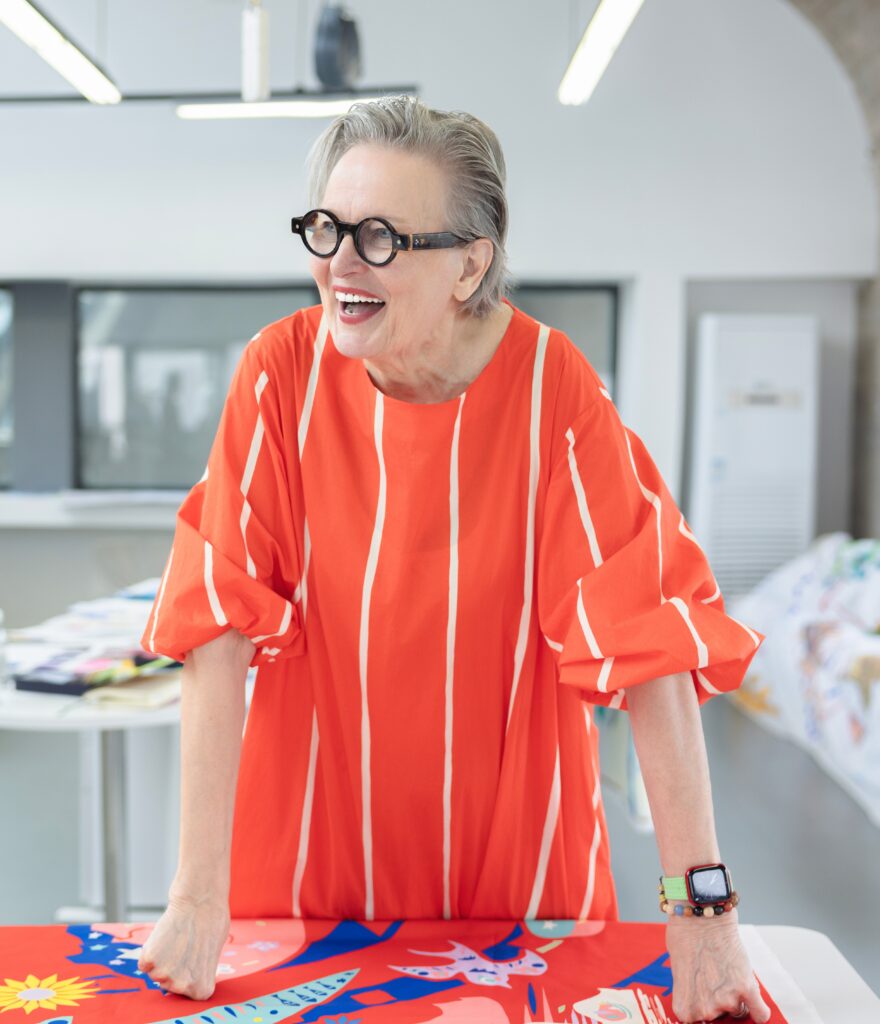
Helena Hyvönen is a Distinguished Professor at the China Academy of Art (CAA) in Hangzhou and Professor Emerita of Textile Design at Aalto University where she served as Rector and later Dean (2008–2014) and was awarded an Honorary Doctor of Arts in 2019.
Hyvönen is a co-founder of Hyvonen Design Oy and has held academic leadership roles in China, including Adjunct Professor at GDUT Guangzhou and at Donghua University’s SCF in Shanghai, where she was Vice Dean for Academic Affairs (2015–2018). She received the Shanghai Magnolia Silver Award in 2016.
Earlier, she led Hydestudio Oy (1997–2006), specializing in material development, colour design, and trend forecasting, and worked in the Finnish textile industry as a designer and design manager for woven interior textiles. She has also served in several positions of trust, including Vice Chair of the International Design Foundation (WDC 2012 Helsinki).
Registration has closed – Denmark, 2 September, at 5–7 pm
Yrjönkatu 9 a 00120, Helsinki
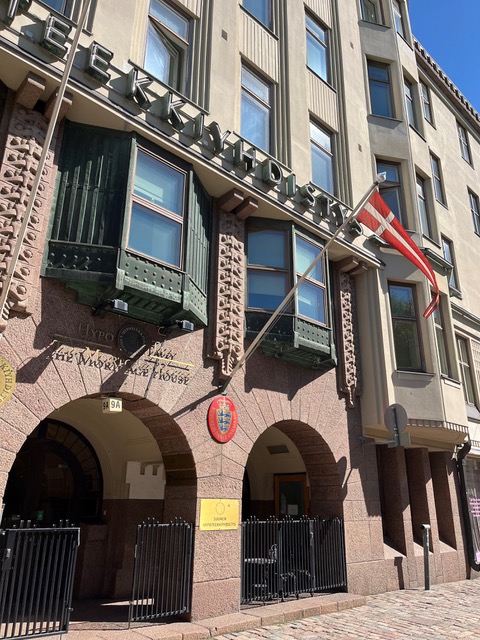
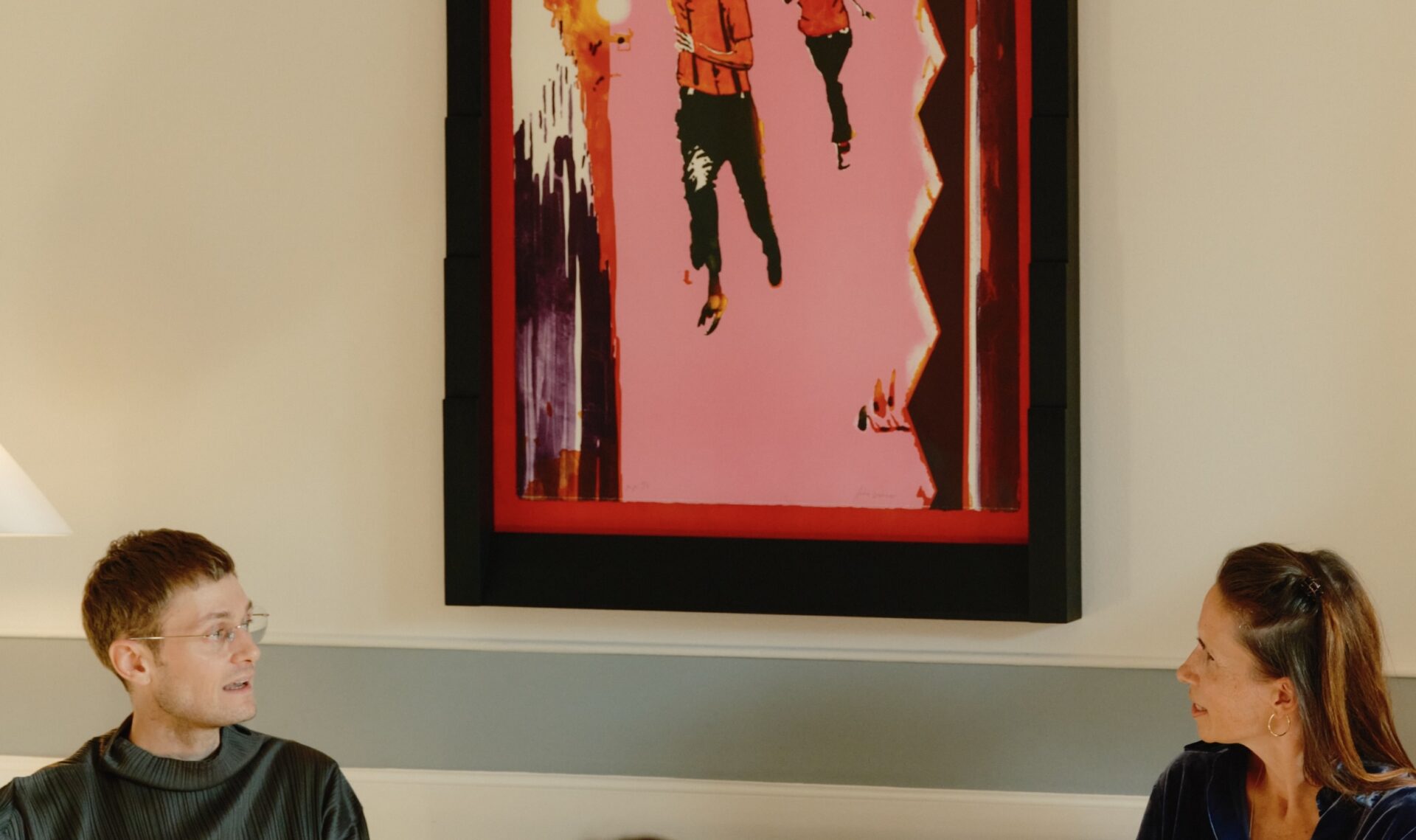
The Danish embassy is the oldest diplomatic residence in Helsinki’s Design District, designed by architect Sigurd Frosterus. It offers spacious rooms for various functions, adorned with modern art and Danish design furniture.
Ole Barslund, Denmark
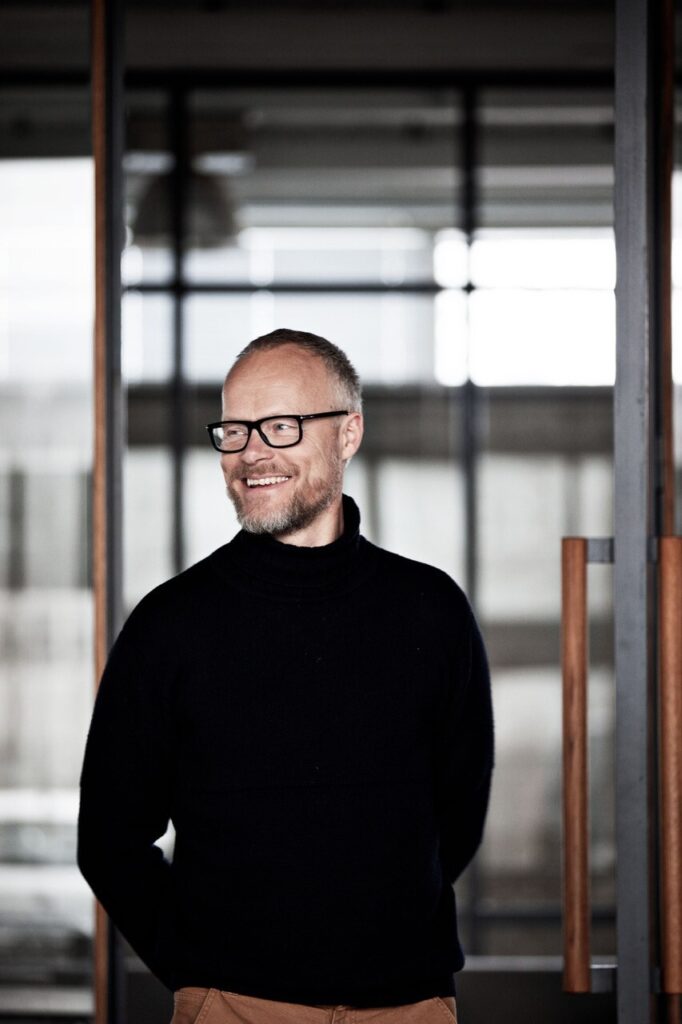
For more than 23 years, Ole Barslund has been the owner of MONSTRUM, combining a background in fine arts, scenography, and design with a strong passion for reimagining playgrounds. Under his leadership, MONSTRUM has grown into a Copenhagen-based team of more than 85 craftsmen, architects, and designers, creating imaginative, high-quality playgrounds that are recognized and celebrated around the world.
MONSTRUM’s work is rooted in the belief that playgrounds should do more than entertain. They should inspire children to move, explore, think, imagine, and play together. By blending artistic storytelling with exceptional craftsmanship and functional design, MONSTRUM creates inclusive play environments that support both physical and mental development.
From its workshop in Copenhagen, MONSTRUM designs and builds unique playgrounds for clients across the globe. Each project reflects a commitment to creativity, durability, and play value, earning the company international acclaim for its distinctive approach to playground design.
Tuomas Siitonen, Finland
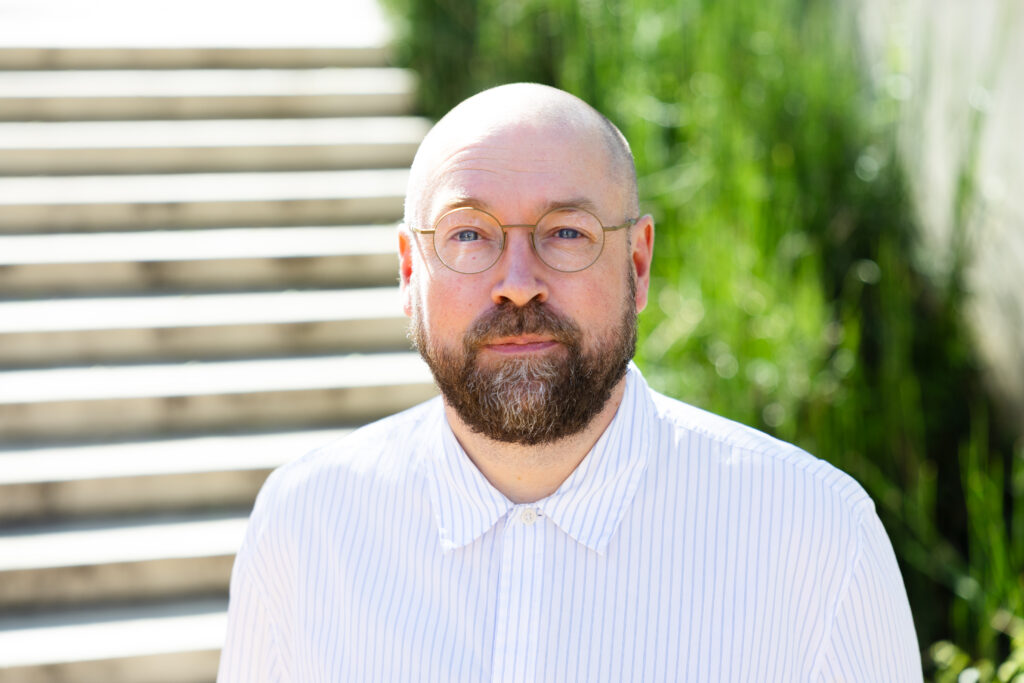
Tuomas Siitonen is an architect, designer, educator and researcher exploring how design can shape more sustainable ways of living and building. He currently works as a Lecturer in Principles of Architecture and as a doctoral researcher at Aalto University, where his research focuses on the pedagogy of sustainable architecture. During the 2025–26 academic year, he was an Assistant Professor and Virginia Fellow at the University of Virginia School of Architecture.
Since the early 2000s, Siitonen has worked across architecture and exhibition design in practice. His practice, teaching and research share an interest in challenging established ideas about sustainability and exploring how design can become a tool for imagining—and testing—different futures.
Registration has closed – France, 3 September, at 9–11 am
Itäinen Puistotie 13, 00140 Helsinki
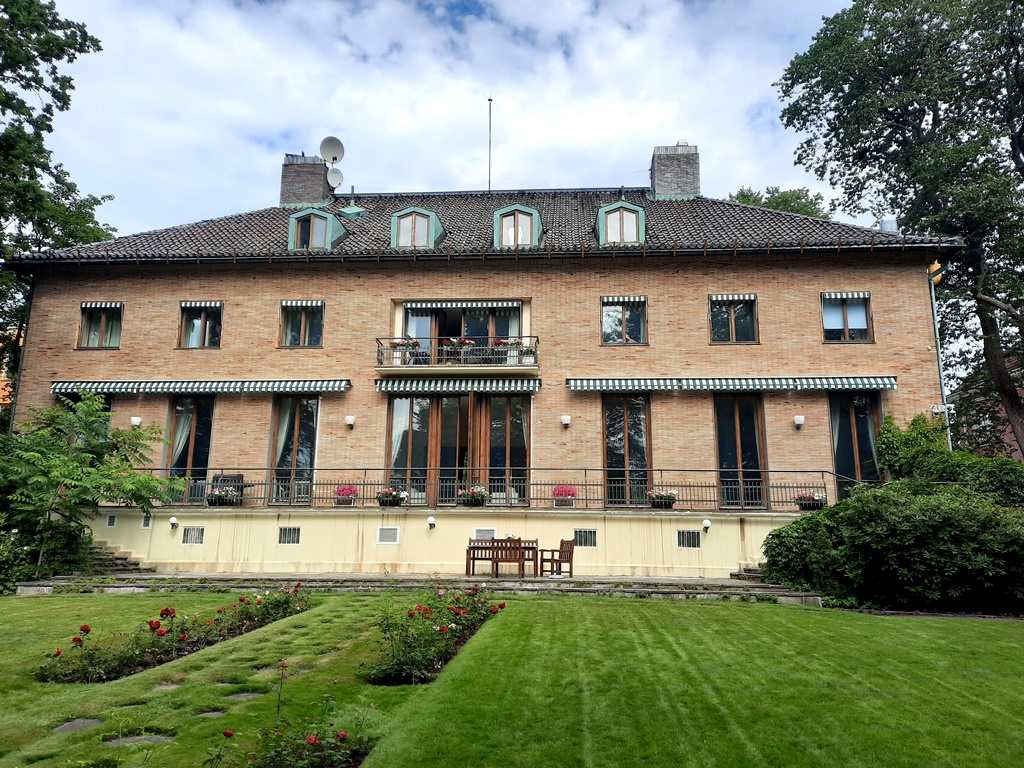
Inaugurated in 1951, the Embassy of France in Kaivopuisto was built under the direction of the French architect Felix Brunau and the Finnish architect Erkki Huttunen. Roughly U-shaped around a central courtyard, entered through a porch, it comprises offices in the first wing and the central part, and in the second wing the residence, which constitutes the main building, higher, and which overlooks a garden, and beyond, the Kaivopuisto park. The reception rooms, a fairly large hall, a dining room, a small and a large drawing room, produce with their generous dimensions and high ceilings, an impression of solemnity which is in harmony with the architectural dignity of the building.
Cécile Gray, France
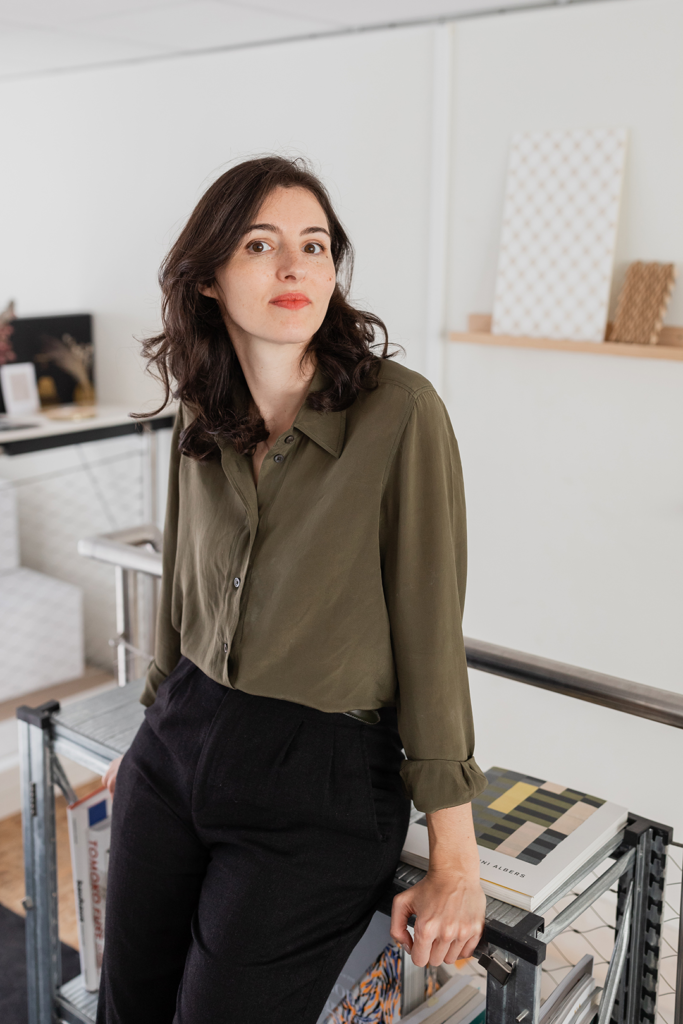
After 7 years working as an architect, Cécile Gayraud, aka Gray, became textile, fashion and accessory designer. It is at the Atelier Chardon Savard that she trains in stylism, and then developed her own weaving technique to create metallic meshes. Hundreds of golden wires are crimped by hand and set in volume to give shape to ”clothing-jewelry”. Both technical and sensitive, Cécile finds her creativity in the intersection of disciplines and scales. She also grants importance to the hand’s work, in contact with the material and holder of a precise gesture.
Thanks to this artisanal and transversal approach she won the public prize at the 33rd Hyères Fashion Festival (accessory category) and now collaborates with luxury brands, famous architects and interior designers, in parallel of her own collections.
Laura Väinölä, Finland
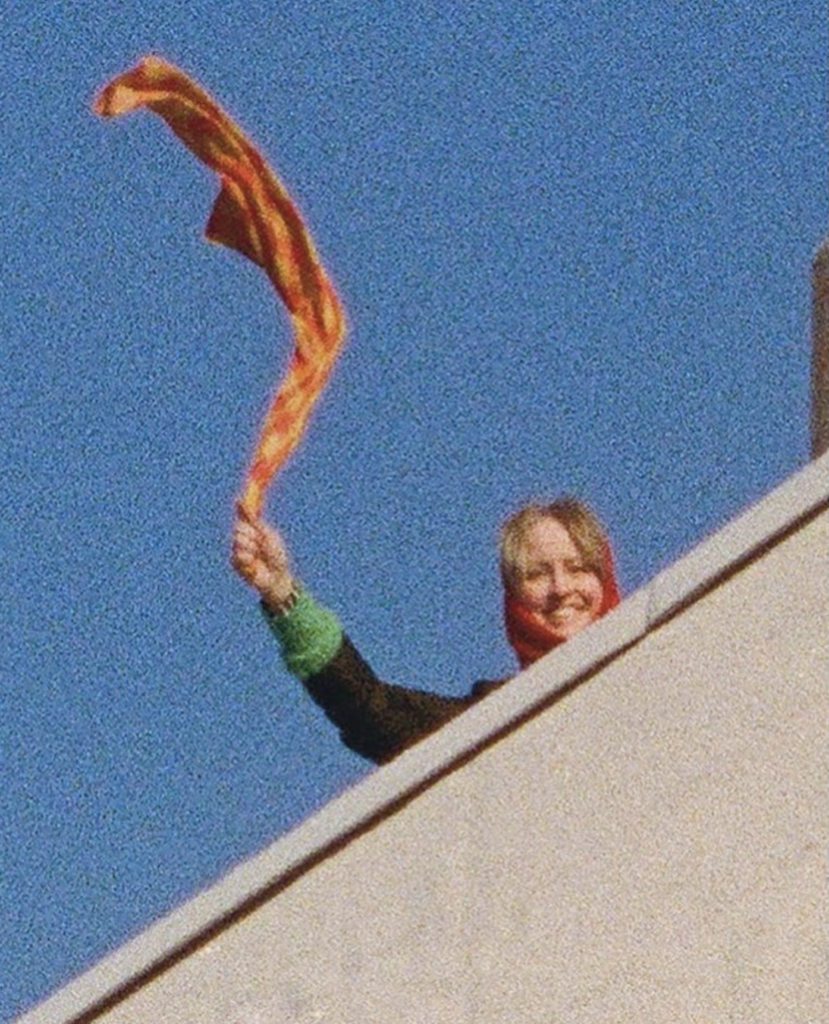
Laura Väinölä is a multidisciplinary designer and Art Director whose work moves fluidly between concept development, spatial design, event design, photography and film art direction.
As Creative Concept & Art Director at Marimekko, Väinölä shapes the brand’s creative concepts and visual expression across a wide range of projects: from commercial campaigns to CPHFW fashion shows and immersive installations at Milan Design Week.
At the heart of her practice is a fascination with building worlds and telling stories through visual experiences. She enjoys connecting the dots between different disciplines, ideas, and unexpected details.
Registration has closed – Iceland, 3 September, at 5–7 pm
Pohjoisranta 10 A 4 (2. kerros), 00170 Helsinki
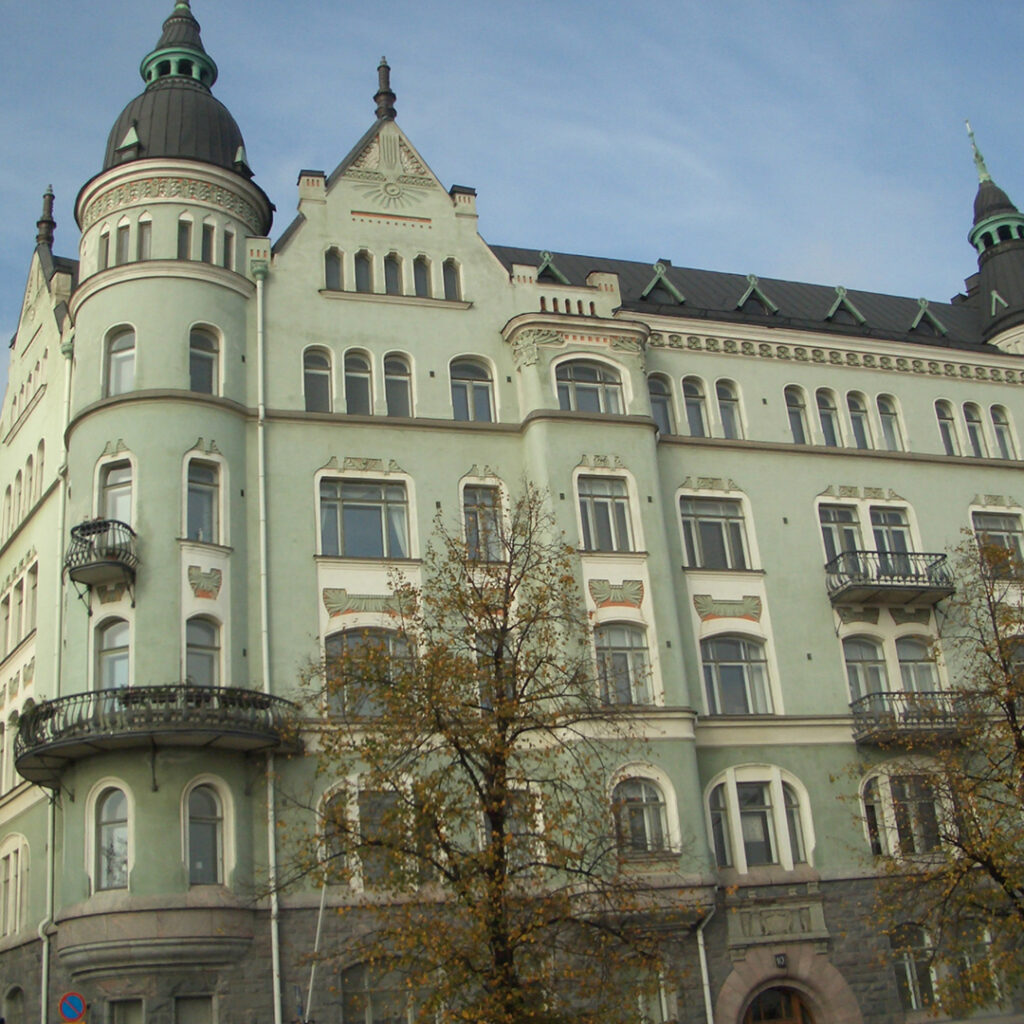
Nestled within a historic 1900 building by architects Lars Sonck and Onni Törnqvist, the Iceland residency offers a unique setting. Formerly a student dorm in the 1970s, its grand rooms now house cozy studios beneath Art Nouveau ceilings. Meticulously renovated in 1999, it’s been the Icelandic Ambassador’s home, reflecting heritage and elegance.
Árný Þórarinsdóttir, Iceland
Árný Þórarinsdóttir an Icelandic architect and design entrepreneur best known right now as the co-founder of Dýpi, the experimental Icelandic “ocean paint” company using calcified algae from Arnarfjörður.
Dýpi began as an entrepreneurial project, developed by Sirrý Ágústsdóttir, an entrepreneur, and Árný Þórarinsdóttir, architect and was nominated for the Icelandic Design Awards 2025 for Product of the Year. The paint is exceptionally breathable, environmentally friendly, plastic-free, and a great example of how natural raw materials, available in large quantities, can be used in an innovative way.
Linda Toye, Finland

Linda Toye was born in Detroit, Michigan, and graduated from Eastern Michigan University with a BFA in Art. Toye moved to Finland in 1986 and has lived here for over 30 years, with some time spent living in Chicago in between.
She has spent years making art (and still does) and started making jewellery almost by accident. Once she started, she never really stopped. Bold colours and a fun style define her design philosophy: “Impact can be strong even if it’s not big.”
She can’t get enough of cats, Finnish nature and laughing.
And yeah, she speaks Finnish. What’s your superpower?
Registration has closed – Spain, 4 September, at 9–11 am
Myllytie 5, 00140 Helsinki
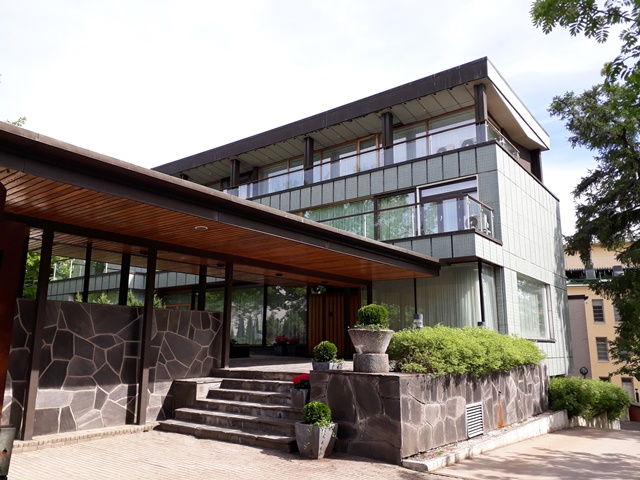
The Residence of the Embassy of Spain in Helsinki is one of the emblematic works of the famous architect Aarne Ervi, designer of other buildings in Helsinki and in other Finnish cities. The building, which bears the name “Villa Himberg”, is considered one of the most representative buildings of Finnish architecture from the 1950s, with large glass surfaces. Built in 1954 for Arvo Himberg, it includes the Chancellery designed by Spanish architect Ángel Fernández Alba.
Ismael Amarouch García, Spain
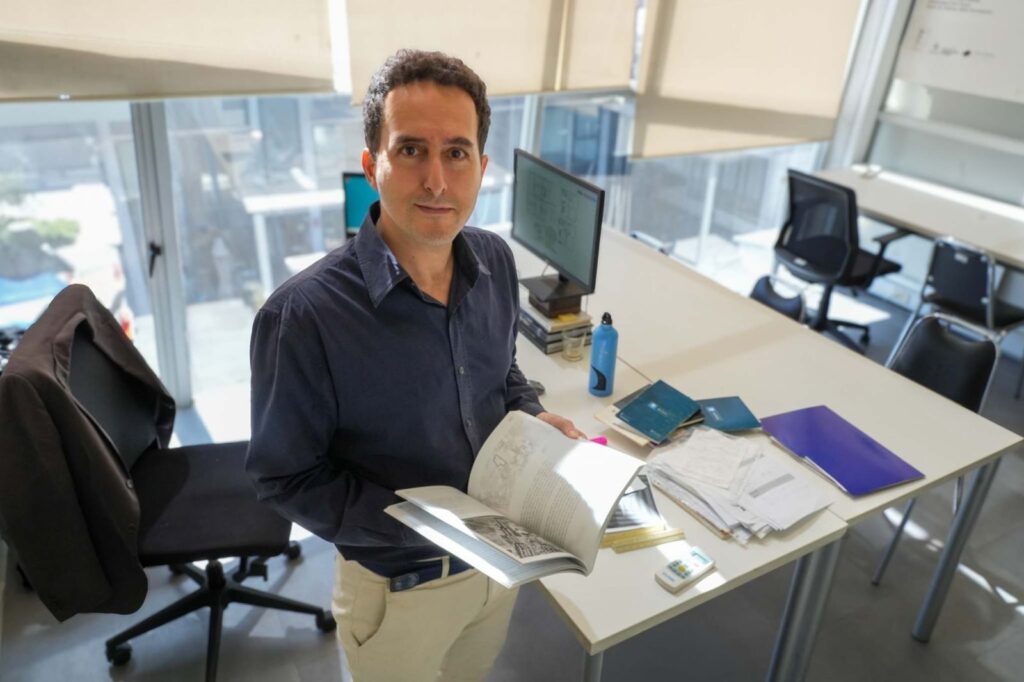
Ismael Amarouch García is a Spanish architect and researcher focused on contemporary architectural practice and the relationship between architecture and the city. He holds advanced degrees, including a PhD with international distinction from ETSAM‑UPM. He has combined teaching and research roles at ETSAM, contributed to housing research, and conducted international work in Stockholm. His work spans academic publications, conferences, and participation in scientific committees, alongside awards such as first prize in the “Renove Fuencarral” competition. Currently, he directs the Advanced Research Laboratory at Finis Terrae University in Santiago, Chile, where he teaches architecture at both undergraduate and graduate levels.
Antti Ahlava, Finland
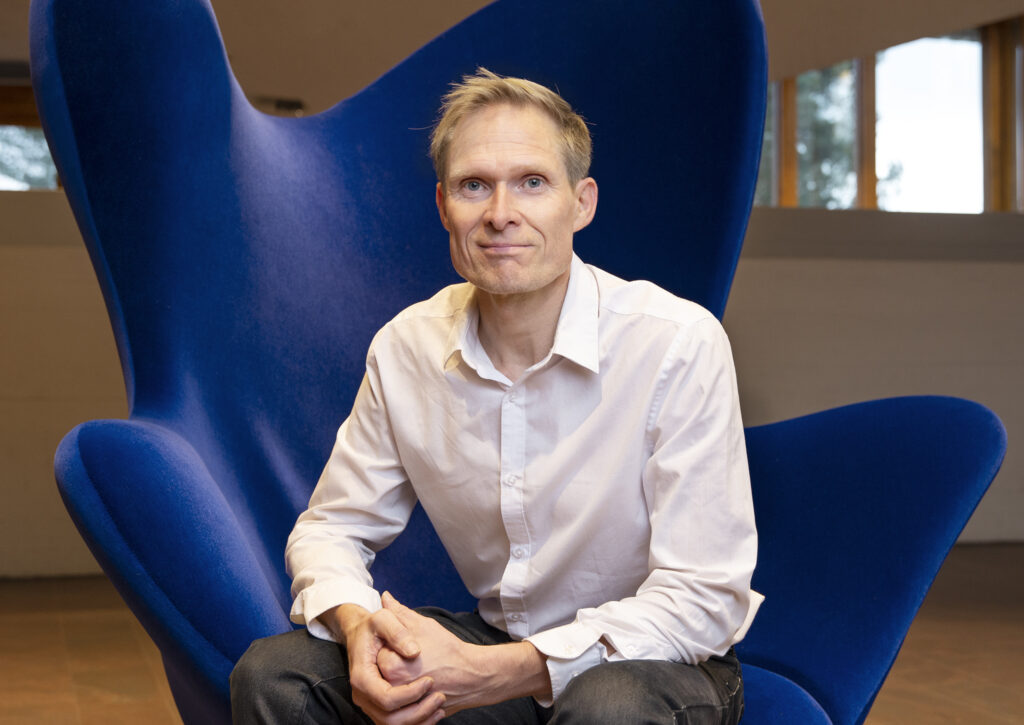
Antti Ahlava is Professor of Emergent Design Methodologies at Aalto University, Helsinki. His work bridges building and urban design, cross-disciplinary art and design, campus development, urban renewal, and adaptive reuse. He is a partner in architecture office Helsinki Zürich Office with Tommi Mäkynen and Mirjam Niemeyer and Concept Studio with Kivi Sotamaa and Fredrik Lindberg.
Antti’s built projects include the extension of the Swiss Embassy in Helsinki, the renovation of the Helsinki Art Museum (HAM), and urban design of the Helsinki City Hall quarters. He is a Life Member of Clare Hall College, University of Cambridge, and has had leadership roles in Aalto University (Vice President in Campus Development, and Head of the Department of Architecture) and visiting fellowships and professorships in Harvard GSD, Royal Danish Art Academy, Aarhus Architecture School, Donghua University (Shanghai) and TU Wien.
His recent competition successes include Fuxing Island (Shanghai, shared 1st prize), Da Nang Archaeological Museum (Vietnam, shortlisted), Housing Reform (Helsinki, 2nd p.), Soulmade Social Hub Spa Hotel (Helsinki, shortlisted), Padova University Campus (shortlisted), Katara Hills housing (Qatar, 3rd p.), Guggenheim Helsinki (honorary mention, best Finnish entry), and Espoo Hospital (1st p.). He received the Korean Human Cities Prize in 2021.
Registration has closed – Ireland, 4 September, at 12–2 pm
Pohjoisranta 2 F 20 (4.kerros), 00170 Helsinki
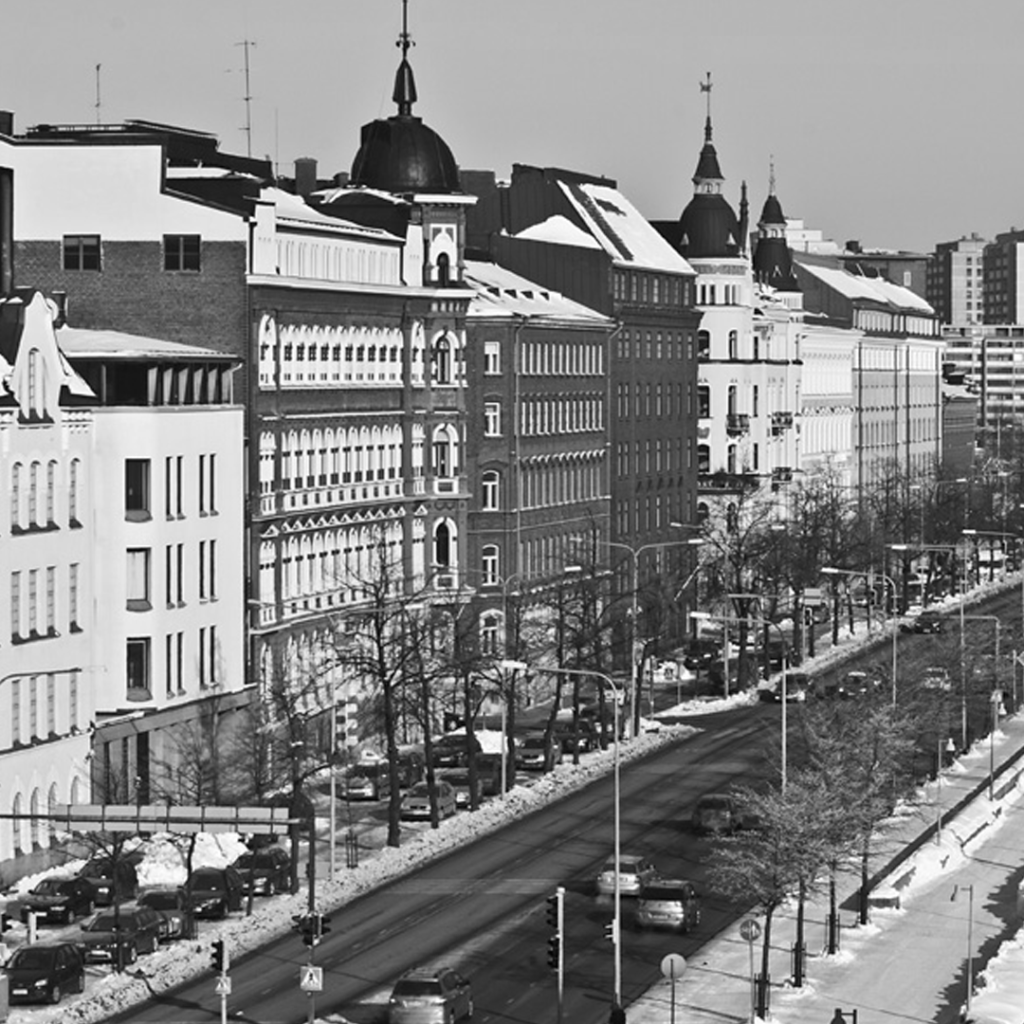
Since 2021, the official residence of the Embassy of Ireland is located at Pohjoisranta 2. In addition to serving as the private residence of the ambassador, the residence plays an important role as an entertainment and networking venue for the embassy. Pohjoisranta 2 residential block was designed by architect Kirsti Sivén. It is located on the site of a former tobacco factory and the design project entailed a great deal of balancing between contemporary demands, respect for the existing setting, and the requirements of the Helsinki town plan. The residence, a contemporary venue for representing Ireland and its craft and design heritage, features stunning views over Pohjoissatama harbour.
Brett O’Mahony, Ireland

Brett O’Mahony is the Creative Director at Studio Saol, a strategic design & futures office practice based in Limerick, Ireland. Her background spans digital experiences & advertising, branding, and design for social innovation, shaped through work in Ireland and the UK with organisations including Burberry, Apple, Google, and aid organisations like Humanity Crew.
Studio Saol’s work lives at the intersection of design, innovation, and systems change. They collaborate with a wide range of partners – from local community groups and public institutions to charities and international organisations – helping them navigate complex challenges.
Studio Saol works across futures, systems, strategy, and design to support responses that are both rooted in place and connected to wider contexts. The studio’s approach sees design not just as problem-solving, but as a way of exploring new possibilities for how people might work, live, and create together.
Ananya Tanttu, Finland
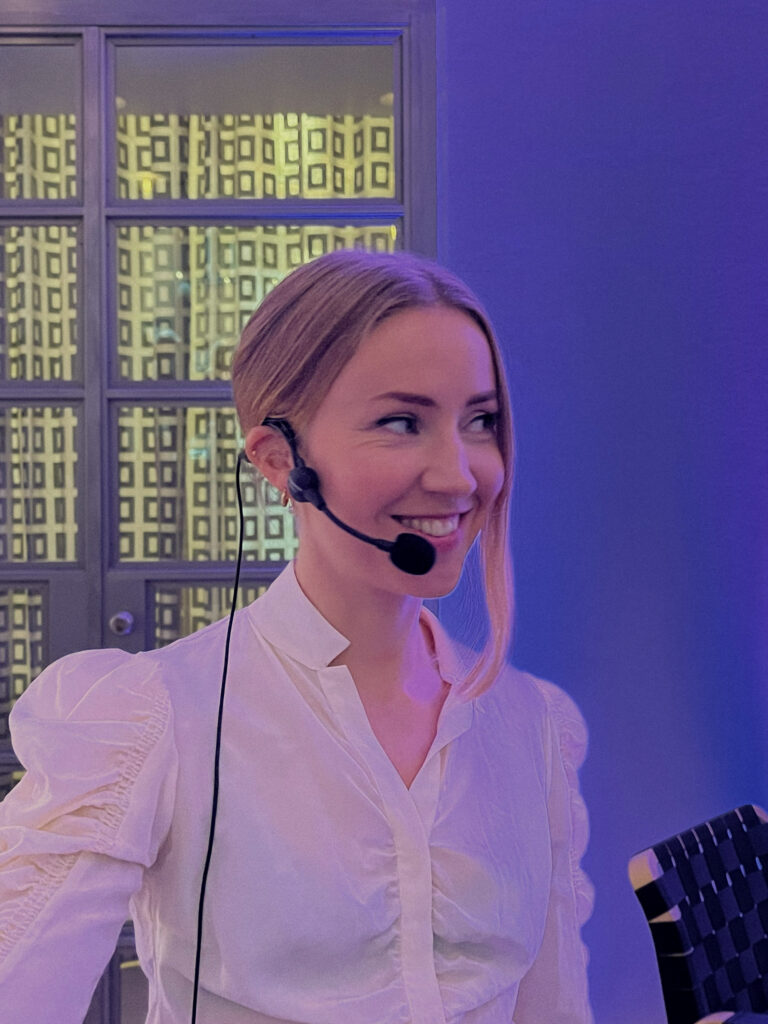
Ananya Tanttu is a Finnish visual artist currently studying for a MFA in time and space arts at the Academy of Fine Arts (University of the Arts Helsinki). She graduated with a BA from the Lahti Institute of Design in 2020. Her practice, into which she weaves text and elements of installation, is primarily lens-based. Since 2013, Tanttu’s works have been exhibited in several solo and group exhibitions in Finland and abroad, and her works can be found in both private and public collections. She has also been a part of the core team behind Lokal Gallery, a Helsinki-based concept gallery, since founding in 2012.
Registration has closed – Belgium, 4 September, at 5–7 pm
Kalliolinnantie 5, 00140 Helsinki
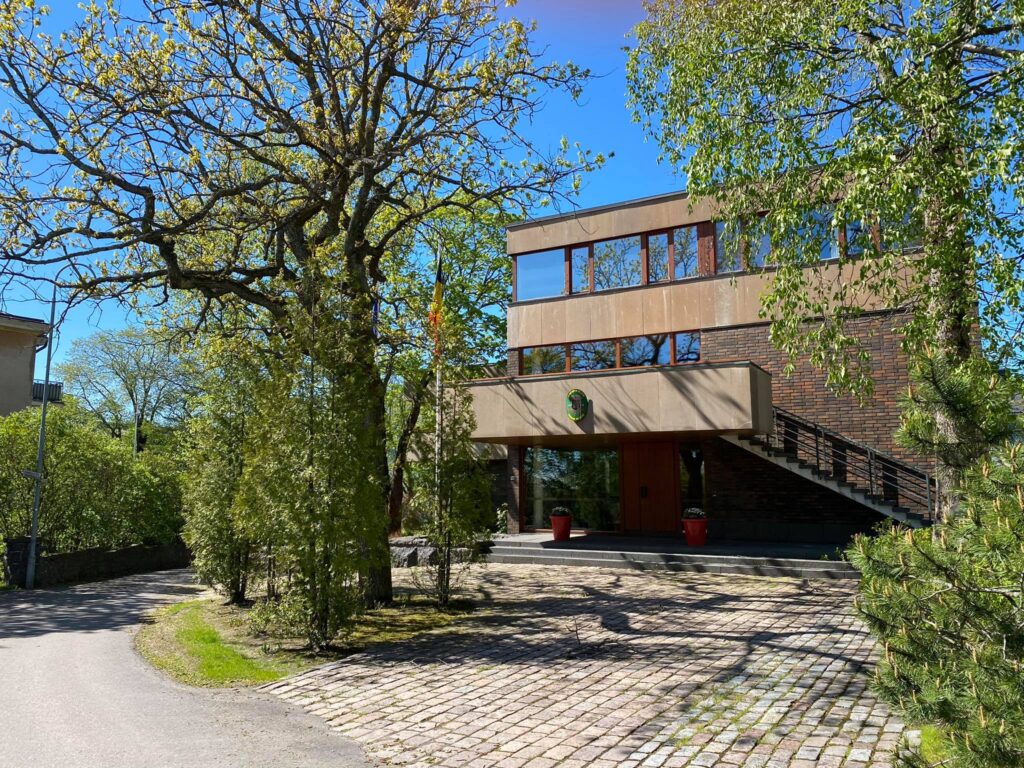
Designed by a Belgian architect Roger Bast together with a Finnish architect couple Lars and Mona Hedman, the building joins the two countries together with beautiful functionality.
The building is located in Kaivopuoisto and was built in 1970.
Nel Verbeke, Belgium
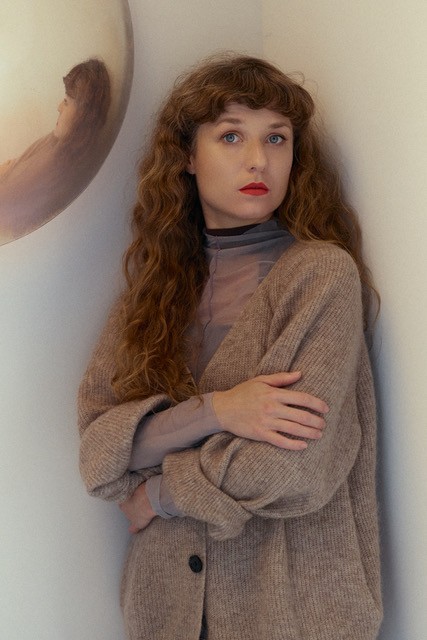
Nel Verbeke is a Flemish artist and designer whose work places a strong emphasis on emotion and mental space. She operates at the intersection of design, art, and scenography, often creating installations and objects that explore time, silence, and stillness. Her practice is closely aligned with themes such as slowness, care, and sensory experience, making her a particularly relevant voice in the current discourse on design and sustainability.
Sini Rinne-Kanto, Finland
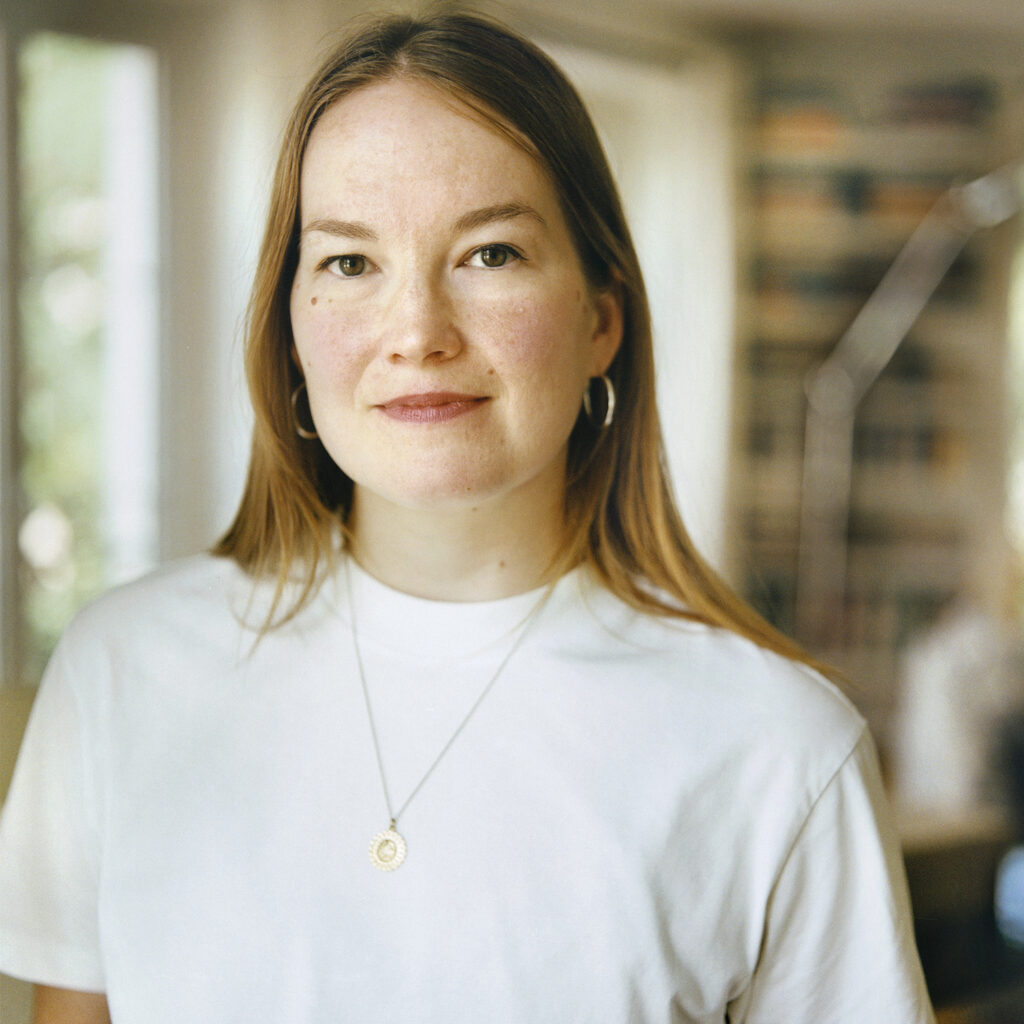
Sini Rinne-Kanto is a curator, researcher and PhD candidate specialising in post-war design history. Her research focuses on Cold War-era material culture, exploring how objects mediate political histories, collective memories and practices of resistance. Combining curatorial practice with scholarly research, she frequently incorporates archival inquiry into exhibition-making. She teaches design history and theory at @univparis8 and @cyecolededesign in Paris.
Alongside her academic work, Rinne-Kanto has developed an extensive curatorial practice in contemporary art and design. She has collaborated with the estates of artists and designers such as Yrjö Kukkapuro, Tove Jansson, and Tom of Finland. She curated the 2025 edition of the @fiskarsvillagebiennale and co-founded of the Paris-based non-profit art spaces @thecommunityparis and @_laplage, as well as the art fair @thesalon.paris.