Water at the Intersection of Science and Art
Celebrated on March 22, the World Water Day explored themes of water and equality. Established by the United Nations in 1992, the annual observance aims to generate discussion and deepen our understanding of how global water resources impact both economic productivity and social well-being. Not everyone has access to clean water. By paying attention to water availability, we can address challenges related to equality and equity.
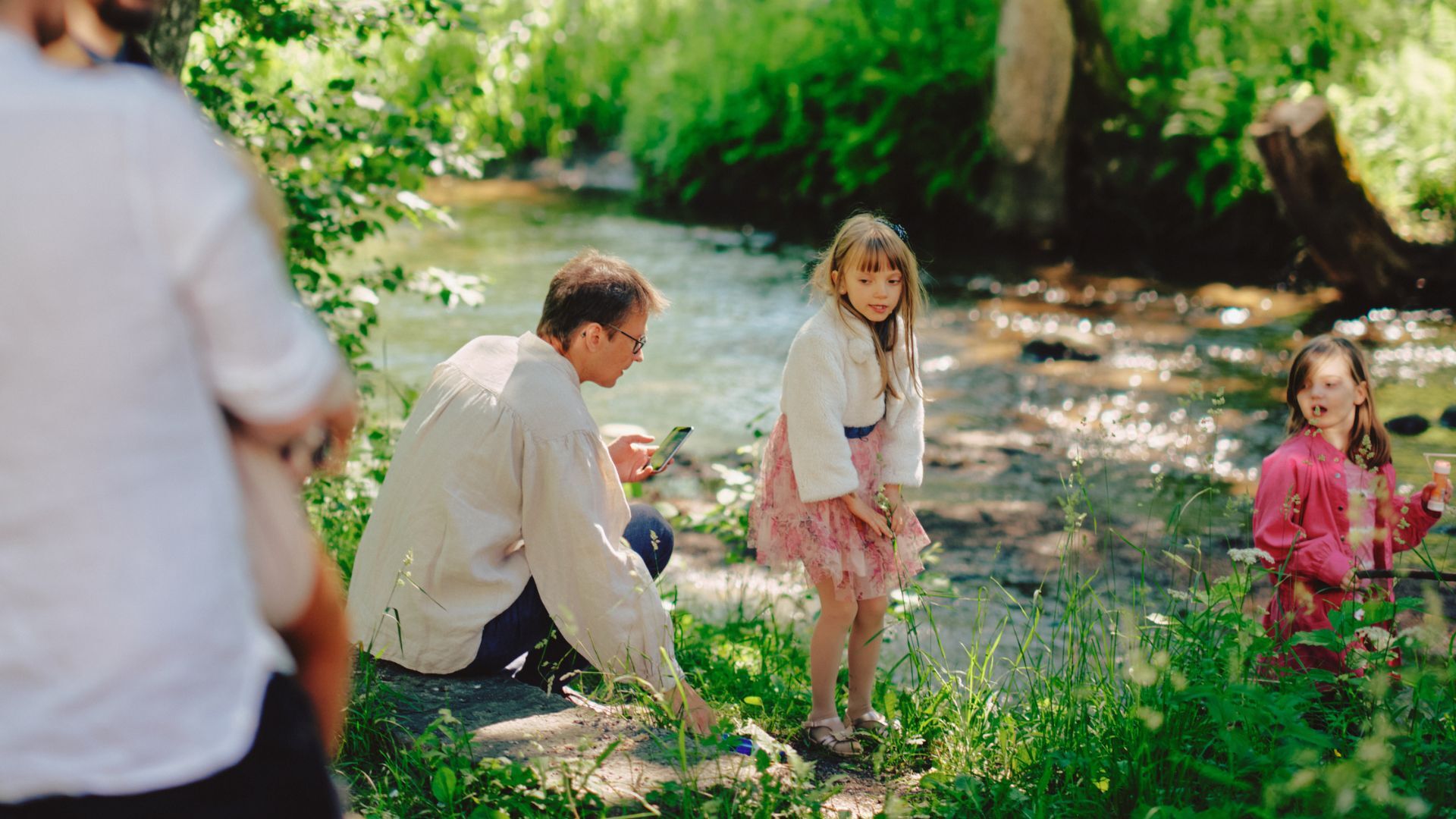
Next summer, in the historic ironworks village of Fiskars and along the Fiskars River, Fiskars Village Art & Design Biennale will bring together artists, designers, and researchers to explore water both as an experiential element and as a theme situated at the intersection of science and art.
Sense of Water exhibition explores the human relationship with water
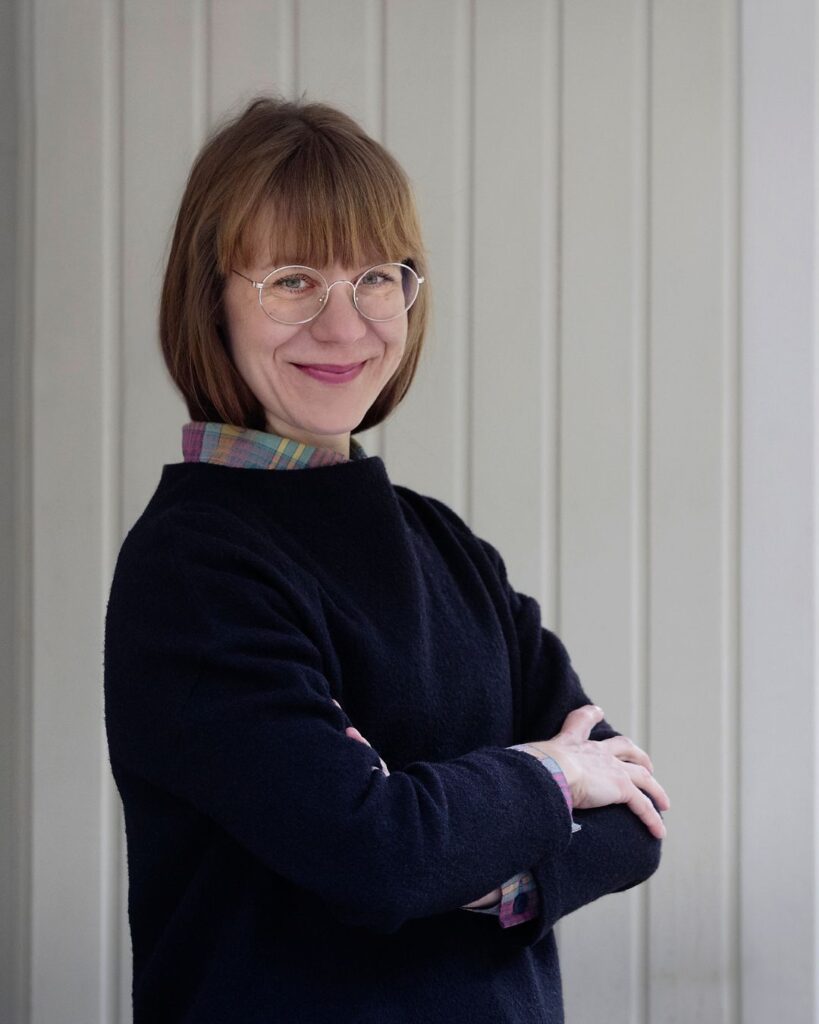
“In Finland, we’ve grown accustomed to the abundance of water, but environmental changes are challenging our everyday relationship with water in new ways. That is why caring for water is becoming increasingly important. In this shift, each person’s individual relationship with water plays a significant role,” says artist-researcher Riikka Latva-Somppi, curator of the Sense of Water exhibition.
Water connects humans to nature both materially and metaphysically. As individuals and as part of an ecosystem, we are dependent on clean water. In the era of ecological crises, our relationship with water is in flux, and science alone cannot transform our modes of action. Through art and design, new connections can be created between scientific knowledge and critical action.
Produced by Luovi, the exhibition in the entrance level of the Old Granary (Viljamakasiini) explores the human relationship with water – our sense of water. The core idea is that knowledge, emotions, and actions all shape how we relate to water. The exhibition approaches this theme through design, art, science, and personal experience. It features art and design projects as well as cross-disciplinary research that examines, for example, the role of water awareness in water care and the many relationships between plastics and water. Visitors are invited to reflect on their own relationship with water.
The exhibition features, among others, visual artist Pia Sirén, Arctic policy researcher Sohvi Kangasluoma, and the artist duo Karoline Hjorth and Riitta Ikonen.
More information about the Sense of Water exhibition can be found here.
Dew spreads across the ironworks landscape
The Dew exhibition, curated by architect Marco Casagrande for the Onoma Cooperative of artisans, designers, and artists in Fiskars, extends throughout the ironworks environment.
Casagrande, who works as a professor of sustainable architecture and reconstruction in Ukraine, brings a timely perspective to the theme of water. “In Ukraine, many apartment buildings currently have no running water, but elderly women remember the locations of springs that people now rely on. Younger people carry water from these sources up to the apartments, also for the elderly,” Casagrande explains from Kharkiv.
The Dew exhibition explores water through site-specific artworks that extend from the Kuparipaja exhibition space into the surrounding environment, creating a thought-provoking dialogue across different dimensions.
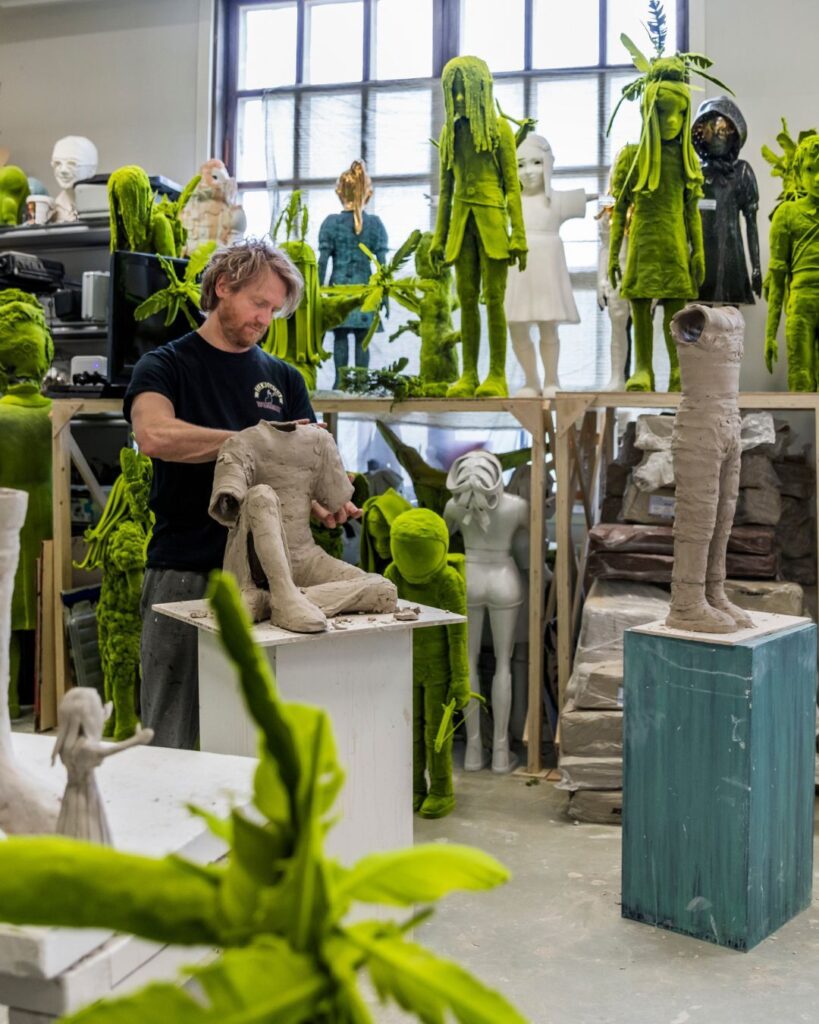
This summer’s lineup includes 50 artists from various disciplines. New works will be presented by, among others, sculptor Kim Simonsson, documentarian Georg Grotenfelt, designer Mari Isopahkala, and visual artist Katja Öhrnberg, whose works address marine pollution.
A safe and equitable future requires the protection of our shared water resources. This calls for increased awareness, small local actions, and collaboration between different actors. Through its Dew exhibition, the Onoma Cooperative participates in the message of World Water Day: clean water is essential for life and a fundamental human right.
More information about the Dew exhibition can be found here.
Material Flow: Redefining the Lifecycle of Design
Collaboration with universities continues in the main exhibition at the Granary. In 2022, participants included ECAL (École cantonale d’art de Lausanne), and in 2024, the Architectural Association School of Architecture in London.
Next summer, Material Flow, curated by Aalto University professors Tomek Rygalik and Katrin Greiling, presents a radical reimagining of the circular economy through the lens of Aalto University’s Furniture program. The exhibition showcases high-caliber student experiments that challenge the linear “take-make-waste” paradigm.
By treating resources as part of a fluid, perpetual journey, the works on display explore the transition of matter from its raw origins to functional forms and, ultimately, back to the earth. The exhibition is structured around three research themes, including pushing the boundaries of traditional interior categories into unexplored functional territory. It also examines how by-products of biological production and waste can be transformed into scalable, high-quality interior solutions.
The third theme focuses on mono-material design, a masterclass in wood, metal, and glass craftsmanship designed for longevity, graceful aging, and effortless disassembly.
Parallel Programme
The Biennale’s sense of community and diversity is strengthened through a vibrant parallel programme composed of events organized by local artists, designers, galleries and workshops.
A wide range of cross-disciplinary events are invited to apply, including exhibitions, performances, studio visits, art walks, as well as artist dinners and celebrations.
The application form and further information can be found here.