Studio Moĩ thrives on processes that take time and allow for mistakes
Studio Moĩ is a process-driven photo design studio based in Helsinki. The collective behind the Fiskars Village Art & Design Biennale 2026 visual identity’s images burns for behind the scenes activities that both create new–and push for change.
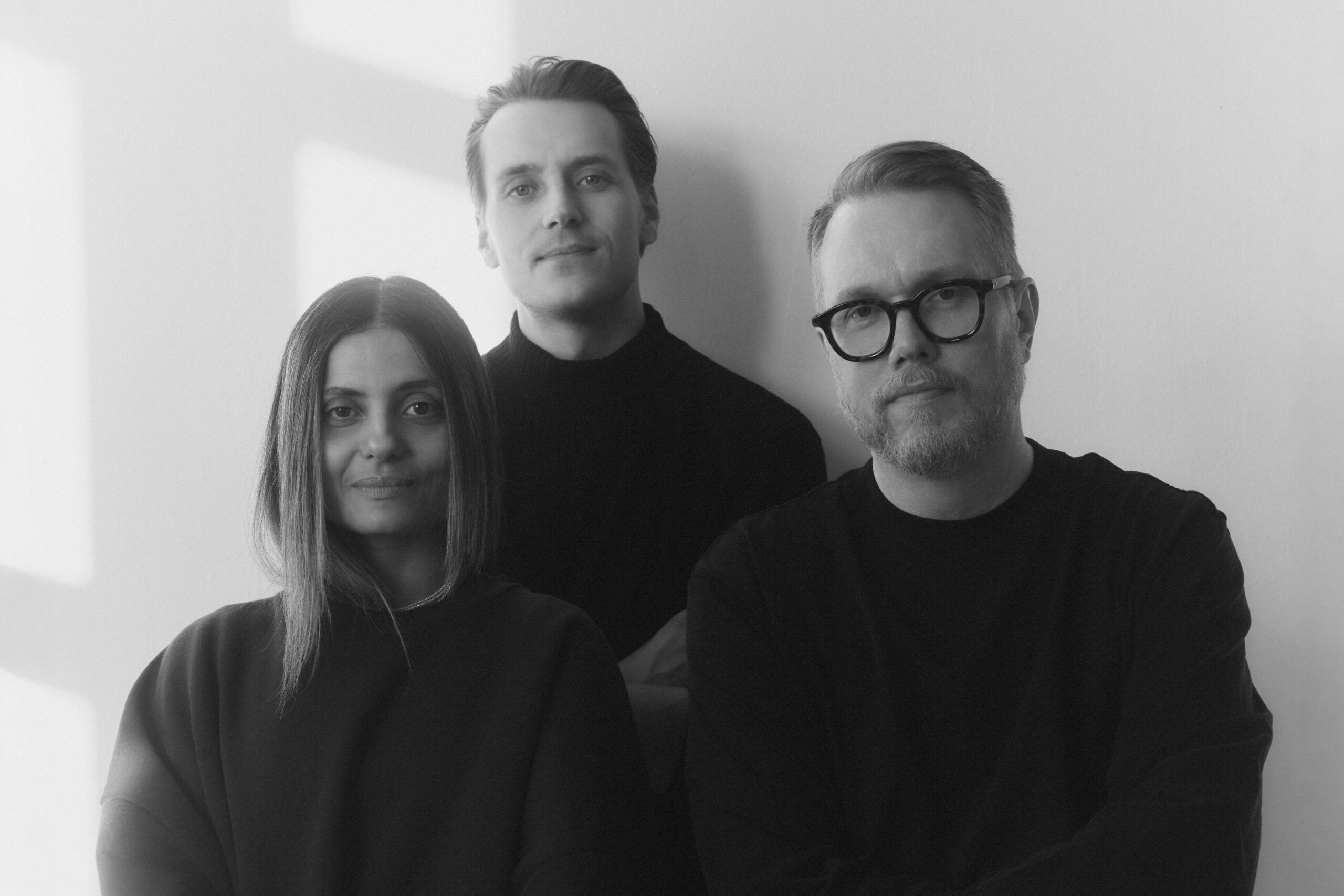
The spring sun seeks through the windows of the airy studio in Vallila, home to many creatives in Helsinki as founders of Studio Moĩ, photographers Jussi Hellsten and Joel Virtanen and stylist Lela Louhio, sit at a long dining table heaving with delicacies.
Moĩ [moh-EE], or “mo-hi” in Finnish pronunciation, means to place, set or put to place.
The collective gets its name from the Tupian language family and Tupi-Guarani, one of the largest and most significant indigenous languages in South America. The verb “moĩ” refers to putting, placing or setting something.
Quite adequate for a group consisting of three professionals with careers spanning long times in various fields, now wanting to make a difference.
“We have been working together for five years, expanding our shared vision,” says Virtanen.
“All members of the team come from the commercial side of creating. I have myself been photographing for the past 16 years,” adds Hellsten.
While the trio have found themselves working within a niche that has been comfortable, privileged even, all three have shared a feeling of wanting to change things for good.
“What we want to transform is commercial imagery. We want to see it become more artistic, particularly in the way it is crafted,” Hellsten sums.
While there is nothing new in the division and opposition of commercial and artistic work, the ways of working could, according to the group, truly be. Studio Moĩ is pushing for artistic courage when creating commercial work.
“The world as we know it is crazy at the moment. If things could not get any madder, then why would we want to go backwards? Why not push for something truly new and unusual?” Hellsten asks.
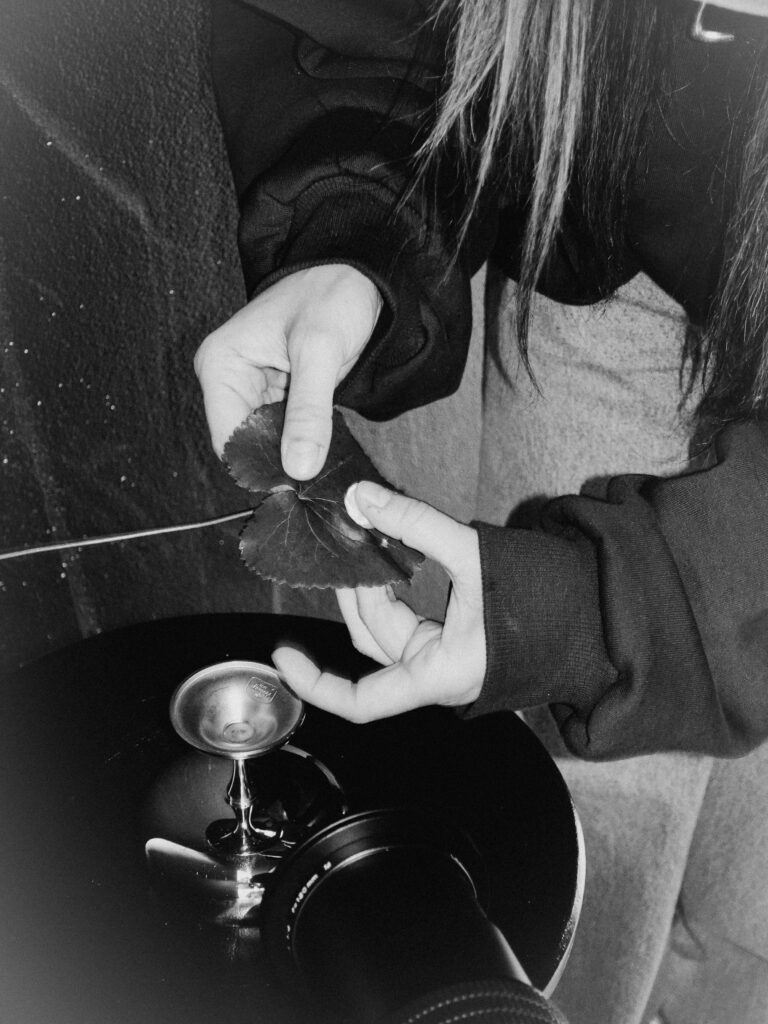
With courage also comes taking responsibility. The trio understands that pushing for new might also mean that certain options and clients could opt out. “We might not be for everyone,” the trio admit.
Commercial work is, however, essentially customer service. A process of understanding limitations such as budgets, timelines and other resources. As longstanding professionals, the team understands that. “When it comes to commercial clients, we are also happy to make compromises. Sometimes we need to look for conclusions, even though we would have loved to play around for longer,” Hellsten says.
In the future, Studio Moĩ wants to create ways of working that do not only lean on a brief from a client. Instead, behind the scenes processes might look more like abstract activities that eventually lead to images.
As an example, let’s take a client who comes to Studio Moĩ with the need to show “digitalisation”. A very typical task for the Finnish client, according to the team.
The process behind such imagery or visual portfolio could then be considered more artistic if more play was allowed. “We are used to seeing visualisation of quite abstract themes such as this with very simplistic images of coloured lights or people on their laptops. But what if we took the theme away from these stereotypes and created something completely different?” Hellsten asks.
The basis of such experimental processes behind images obviously relies on communication and creating a dialogue with the client. Studio Moĩ is eager to be a part of the creative process from the get go, helping the client create something that resonates. “We are happy to help with the conceptualising of the images and the worlds created around them,” Hellsten says.
In comparison, what is the conformative working process in Finland today?
According to the studio members, a typical process begins with a brief that comes with a creative outline and a set timeline that varies from a few weeks to some months. A shoot will most likely be planned so that all of the material is shot within a single working day. Test photos or iterative images are often not taken, even if more time would be allocated to the shoot.
This is particularly what Studio Moĩ wants to change.
“We perform more like a laboratory”
-Lela Louhio
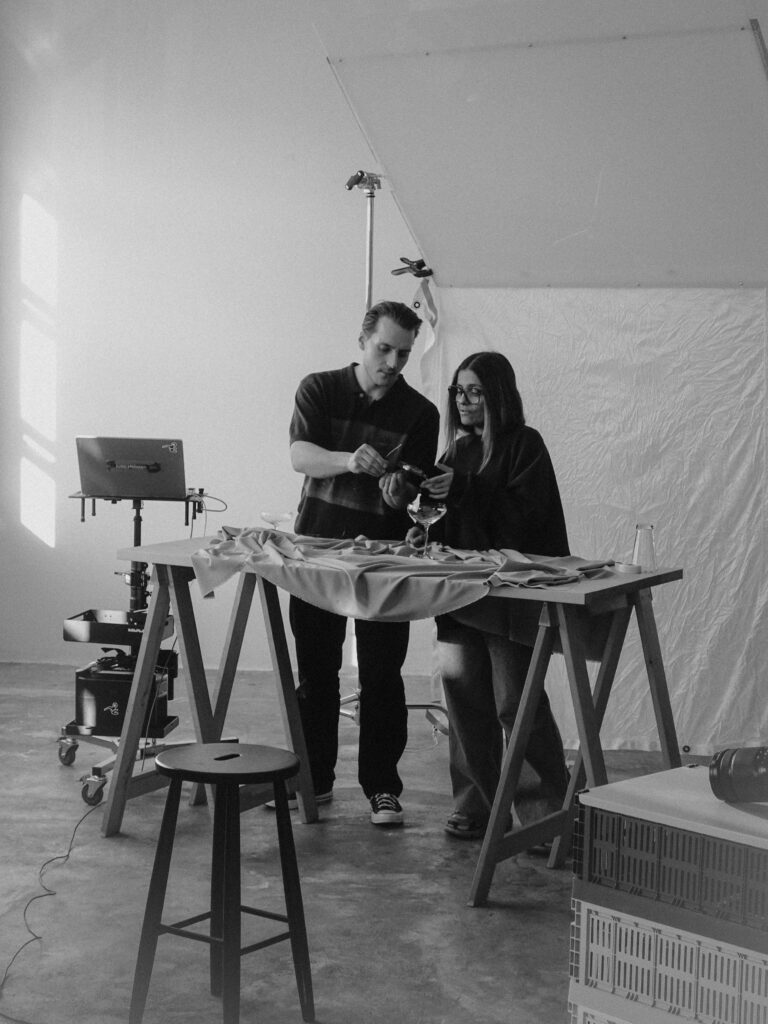
“We perform more like a laboratory,” Louhio says.
The creative development process can take days because the team believes in playing and testing.
“This is the quintessential way in which we distinguish ourselves from any traditional advertisement or production company. We as a studio have the willingness and ability to experiment,” Louhio adds.
This means that after the initial dialogue with a client, images are planned, tried out and tested, only to be shot again and again.
“We are extremely interested in the process behind every image,” Hellsten says.
This, according to the photographer, keeps things interesting.
“We as a studio thrive to work without prejudice, because we are extremely willing to learn new things,” he says.
Often, Studio Moĩ are unable to tell the client what the exact outcome will be.
But is the Finnish customer ready to pay for such unawareness?
“This is something that the collective has been working on together since the pandemic. If the processes and the steps behind the image are clear to the working group, then the whole funnel behind the end product will be easier to both explain–and sell–to the client,” Hellsten explains.
Fiskars Village Art & Design Biennale 2026 explores the human relationship with water
“The theme is, in fact, threefold: the overarching theme Water, and the two main exhibitions, Sense of Water and Dew. We wanted to approach each from a different perspective,” Hellsten says.
Studio Moĩ created three separate ways to visualise the individual components of the umbrella theme. The design is by Werklig’s Anssi Kähärä. Within the first method, water was a part of the process.
Water was tinted with a colouring agent and then frozen. The melting pigmented ice was then used to paint a picture.
Other methods included, for example, photographing through glass so that the material itself resembled water.
“But in our testing laboratory we soon noticed that the methods were not working in ways we had hoped for,” Hellsten says, “so we began to quickly modify the process.”
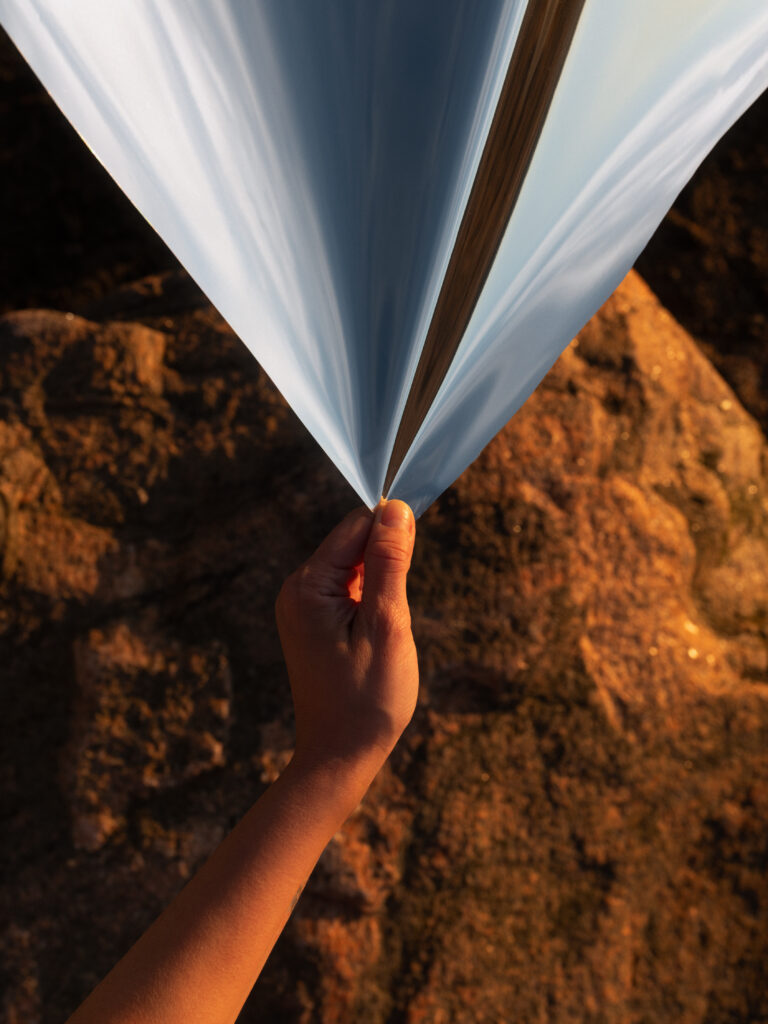
A fourth method then came to life.
“We re-created the shape of water in the images as dew drops, hair waves and the way silver cellophane extends and stretches,” he describes the imagery. “The way the hand in the image draws on the material, imitates the way a rowing boat moves on the surface of a peaceful lake.”
The work is unmistakably human.
“Commercial work is often highly refined, and in these AI-driven times, too repeatedly it seems to become too perfect. This even though advertorial images have throughout time already been criticised for being too flawless,” Hellsten says.
“But our work is human- and process-driven. It allows for mistakes,” says Louhio.
“If the client is willing to produce results, images and visual worlds that include these wavering processes that are not perfect, then we are the appropriate studio for the task,” Louhio states.
Studio Moĩ
studiomohee.com
instagram.com/studiomohee