The future is built in networks
The end of the year has been unusually devoid of sunlight. There is a great deal of dimness in our time, but also many reasons to celebrate. In 2025, Helsinki Design Week will mark its 20th anniversary. Decades offer perspective and help us place individual moments within a broader context.
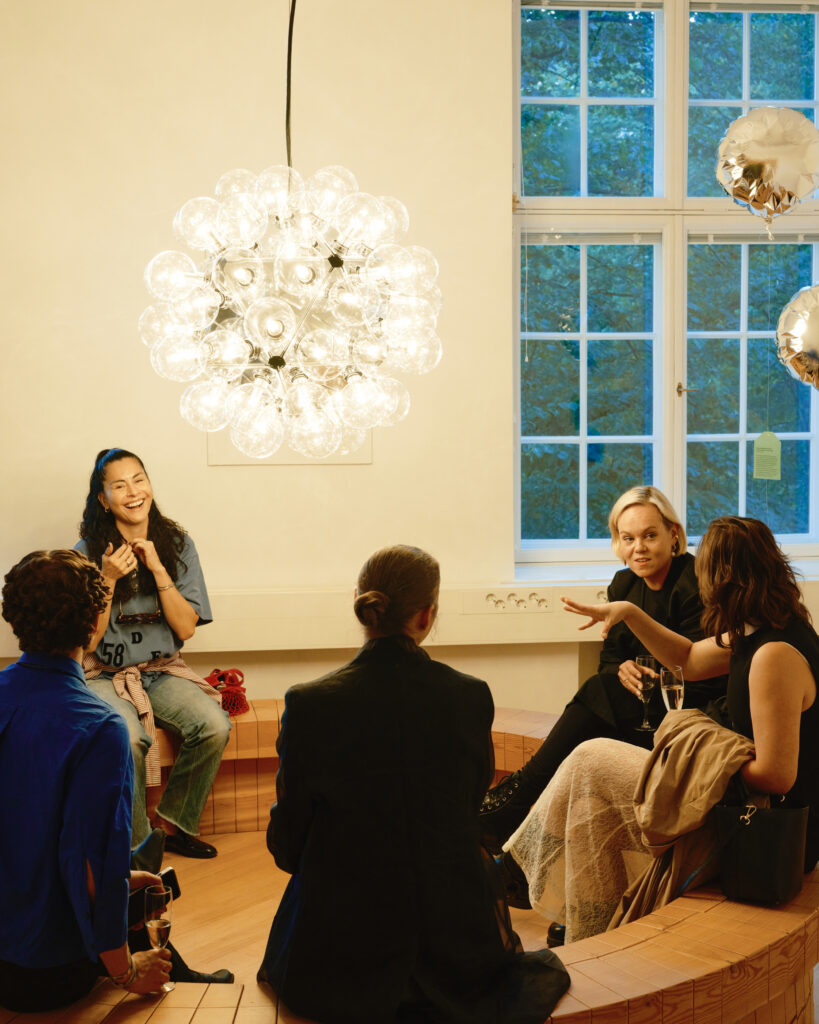
Over the course of the year, we encountered countless inspiring people and built a shared understanding of what matters to us right now. We paused together, built something new, and navigated uncertainty.
As the turn of the year approaches, we asked a few of our close collaborators what they hope for from the year ahead. We also wanted to understand what kinds of networks their resilience and faith in the future are currently built upon.
Leaps toward Helsinki’s future
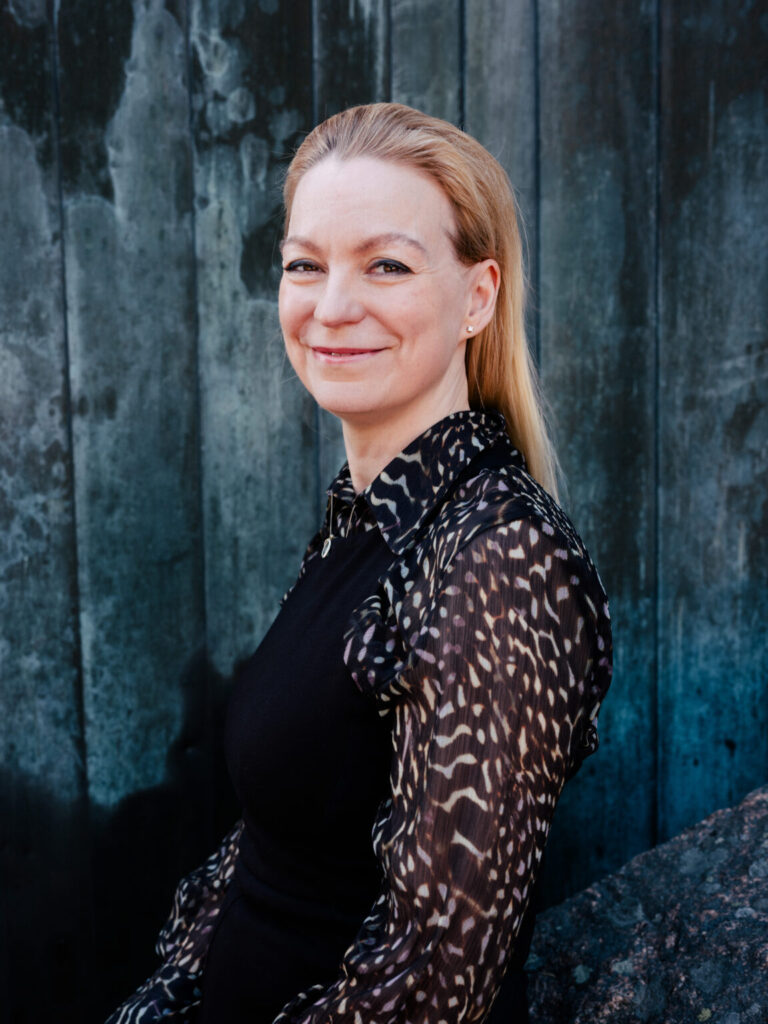
Helsinki’s Chief Design Officer, Hanna Harris, speaks with optimism about the discussions currently unfolding in the design field around futures thinking, foresight, and the sustainability transition—conversations that also resonate strongly within the City of Helsinki’s design community.
“I hope we will once again make real leaps forward in these areas. In line with the city strategy, we are investing in the growth of the creative industries and in promoting tourism through design- and architecture-led initiatives. These are genuinely exciting commitments.”
Harris also highlights the future opening of the new Architecture and Design Museum, as well as the redevelopment of the Hanasaari power plant area, as particularly significant projects.
“Continuous energy and inspiration naturally come from the field itself. I actively follow it and engage in dialogue with a wide range of actors across design and architecture. Another vital source of strength is ongoing discussion with other design cities. Within the UNESCO Design Cities network, we seek shared solutions and exchange knowledge on topics such as the societal role of design and cities as platforms for a thriving design sector. The Frankfurt region, meanwhile, is preparing for its upcoming World Design Capital year, and we share many points of intersection with them. In 2026, we will also hear the results of the national Aalto Works serial nomination, which, if realised, would bring five additional UNESCO World Heritage sites to Helsinki.”

Networks as future laboratories
Aalto University’s exhibition Designs for a Cooler Planet was awarded the Helsinki Design Award this year. In the award justification, the exhibition was praised as a meeting place that actively shapes a better planet – also for cities.
The exhibition’s Artistic Director, Enni Äijälä, says she has been thinking a great deal about the future lately. She emphasises that the future is not evenly distributed; a small proportion of people are already living in it.
“Working at a university involves a constant negotiation with time. Universities rest on centuries-old traditions that underpin academic research and teaching, yet at the same time the content of research often looks far into the future—and has the potential to reshape how we operate today. Even though the future is strongly present, a university must also be deeply rooted in the present moment and actively engaged in societal debate.”
When speaking about networks, Äijälä highlights the importance and uniqueness of her own.
“I’m fortunate to be surrounded by people with whom I can share unfinished ideas—even half-formed thoughts. It’s crucial to expose one’s ideas to other perspectives, rather than simply trying to convince others of one’s own view. The people around me form a polyphonic ‘future laboratory’ that strengthens long-term thinking.”
“It’s crucial to expose one’s ideas to other perspectives, rather than simply trying to convince others of one’s own view.“
-Enni Äijälä
Resilience, she notes, means the ability to endure adversity and change while continuing to act, learn, and grow. “My network prepares me to be adaptable in the face of change. What matters most is learning from change—not merely ‘bouncing back’, but building something new, even a shared direction.”
From 2026, Äijälä hopes above all for time: for learning, for thinking, and especially for listening.
The rise of non-human networks
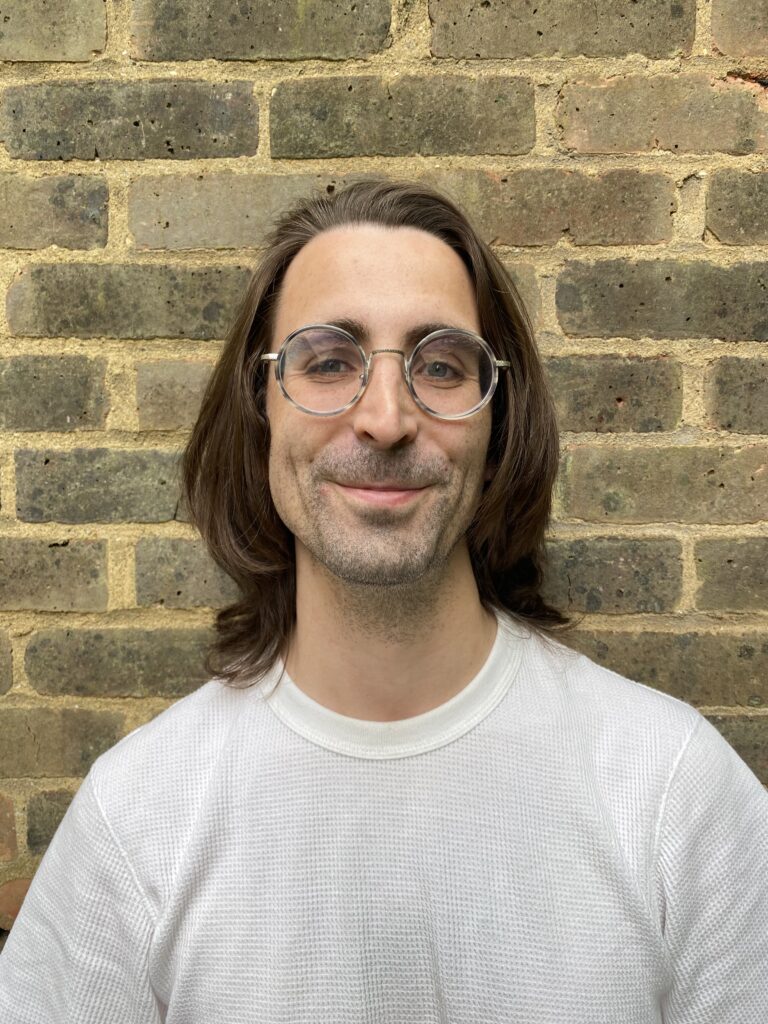
When asked about his hopes for the coming year, Oli Stratford, Editor-in-Chief of Disegno, offers a characteristically specific response:
“I would be very pleased if someone were to write a popular history of battery design—the last time I checked, there’s not anything out there at the moment that quite fits the bill. As tedious as that may initially sound, understanding how we have historically powered remote technologies, and how we might power them in future, could make for an illuminating angle on technology, design, the environment and more.”
Stratford adds that he would happily take on the project himself—should a publisher be interested.
“Providing, of course, that they’re willing to accept that I know next to nothing about the subject and would be an exceedingly poor choice of writer.”
When the conversation turns to networks, Stratford highlights the growing importance of the non-human world in design:
“For too long, too little attention has been paid to our relationship with other species and ecosystems, which is a deficit that stands in need of correction for all sorts of ethical and environmental reasons. In that spirit, I’m happy to say that my greatest support is my cat Edward. He is also the most inspiring figure I know, inasmuch as he has secured a living situation in which he is provided with full room and board, while contributing absolutely no rent.”
Toward a new year
Now we pause to catch our breath, before we begin to build the coming year—new encounters, new ideas. It is always easier to move toward the future when the networks around us are strong, and ours sure are.
Over the past two decades of Luovi and Helsinki Design Week, we have had the joy and privilege of forming lasting, meaningful relationships with thinkers and practitioners in design, architecture, art, and the broader field of human life. This is a solid place from which to continue.
Please make sure to mark at least these Luovi events in your calendar:
Fiskars Village Art & Design Biennale, 7 June – 30 August 2026
Helsinki Design Week, 28 August – 6 September 2026