Tailored to Living Tradition – Hungarian traditional costumes
Free admission
The gallery is accessible. The toilet can be entered with a wheelchair; however, it does not include accessibility equipment such as grab rails or an alarm.
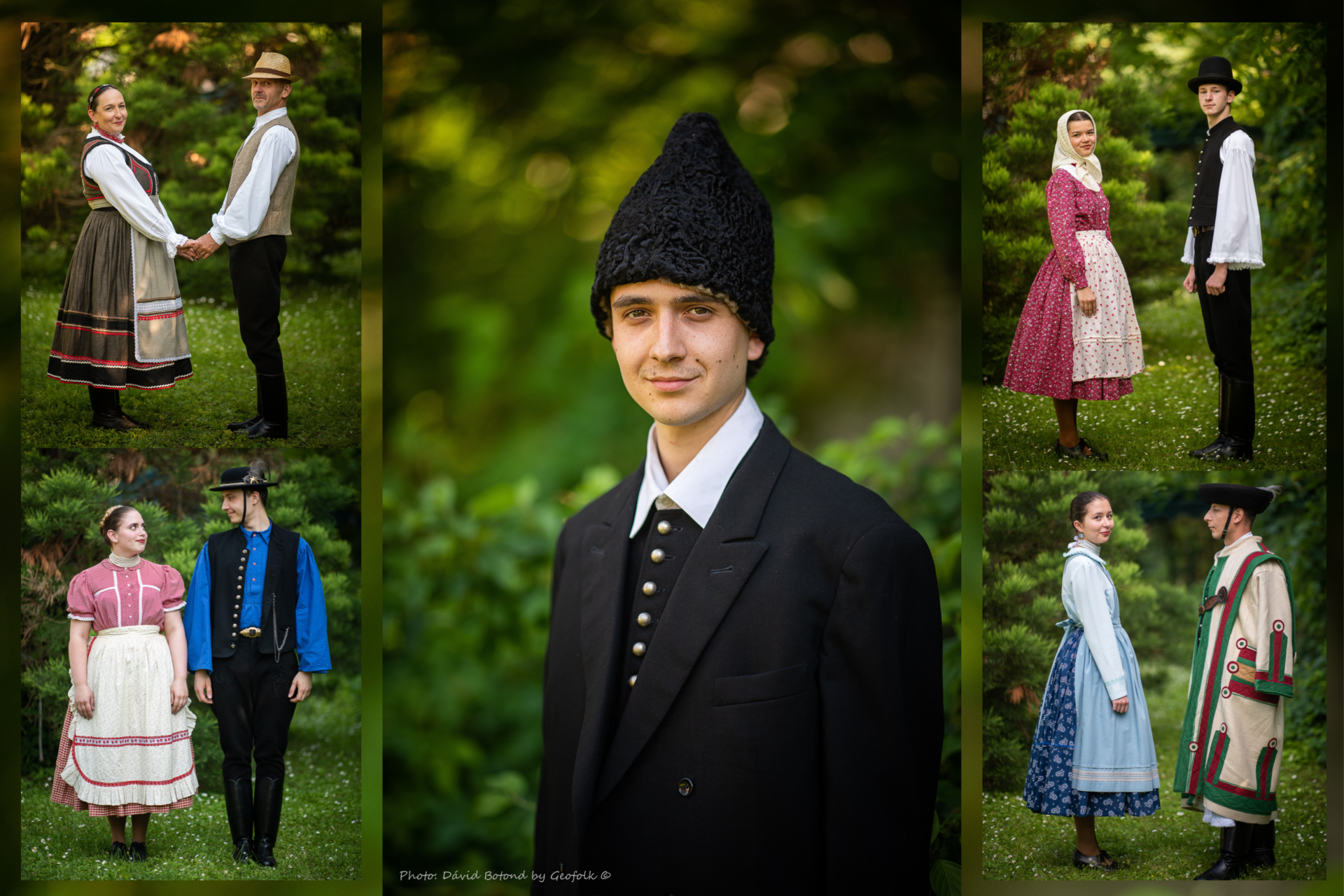
With this folk costume exhibition, assembled from the collection of the Makó Forgatós Dance Ensemble, we aim to present to visitors the uniquely beautiful traditional costumes and accessories of Hungary, rich in colour and form—thereby also portraying the values of 18th–19th century rural life.
The exhibition seeks to offer a picture of the era, helping the viewers perceive the differences between a market-town dweller, a mountain shepherd, a bourgeois family, and a family living from agriculture. It highlights moral norms, reveals the distinctions between everyday and festive attire, and shows comparisons among the simple, light, and practical clothing of children.
Based on the collecting work of László Doktor, the director of the Makó Forgatós Dance Ensemble, the exhibition features not only costumes but also numerous accessories that bring visitors closer to this bygone world.
What makes this exhibition special? Today, folk traditions are experiencing a revival. More and more often, we return to wearing a traditional hat, a skirt, a vest, or using a finely woven tablecloth. Wearing and using these items may evoke memories and emotions reminiscent of those felt in the kitchens and parlours of our grandparents and great-grandparents.
There was a time when a wedding, the birth or christening of a child, or even a death was not only a family event but one shared by the entire village community. Colours and forms carried great significance—they served as symbols. They taught people to understand without words and to pass on traditions. And since no people can have a future without a past, it is essential that we preserve and pass on the customs, as well as the material and intangible heritage, of our ancestors to future generations.